- Homepage
- Brand
- Material
- Acrylic (3)
- Art Glass (9)
- Bone China (17)
- Brass (3)
- Canvas (3)
- Crystal (56)
- Crystal Glass (13)
- Crystal, Glass (38)
- Glas (43)
- Glass (2730)
- Glass / Cut Glass (8)
- Glass, Metal (4)
- Glass, Murano Glass (5)
- Opaline (3)
- Paper (2)
- Plastic (5)
- Porcelain (3)
- Stained Glass (11)
- Tempered Glass (7)
- Vinyl (3)
- Other (1704)
- Origin
- Style
- Abstract (24)
- American Empire (7)
- Antique (8)
- Art Deco (540)
- Art Deco Style (28)
- Art Nouveau (445)
- Contemporary (160)
- Decorative (44)
- Mid-century Modern (639)
- Modern (259)
- Murano (8)
- Murano Art Glass (8)
- Murano Glass (19)
- Retro (35)
- Scandinavian Modern (8)
- Space Age (11)
- Tiffany (14)
- Traditional (16)
- Unk (10)
- Victorian (71)
- Other (2316)
- Subject
- Type
- Art Glass (16)
- Art Glass Vase (35)
- Art Vase (172)
- Bowl (37)
- Decorative Vase (9)
- Figurine (34)
- Flower Vase (26)
- Necklace (9)
- Paperweight (26)
- Print (24)
- Sculpture (17)
- Stove (71)
- Table Lamp (8)
- Table Vase (12)
- Vase (2042)
- Vases (52)
- Wall Art (56)
- Wall Hangings (8)
- Wall Mirror (14)
- Wall Mounted (12)
- Other (1990)
Authentic Émile Gallé Art Nouveau Cameo Glass Vase'Muguet' Ex-Culloden Hotel
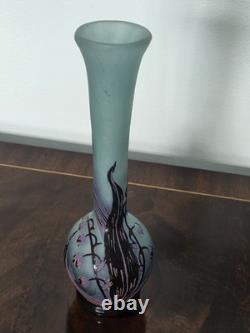
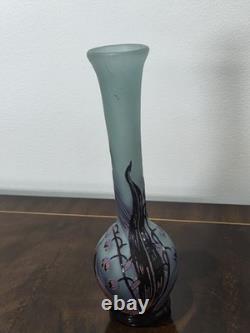
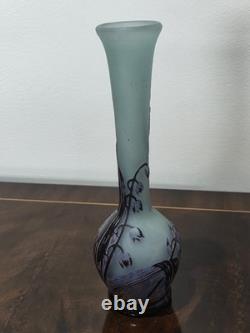
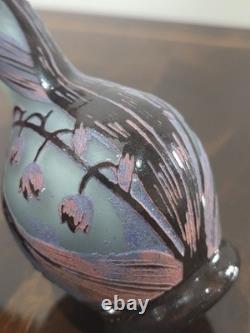
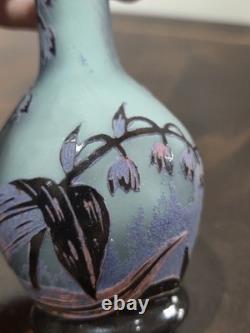
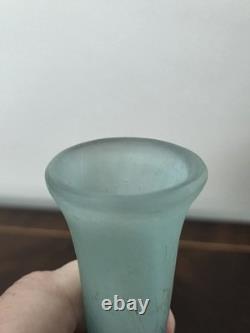
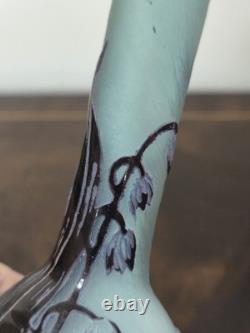
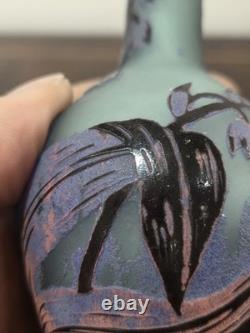
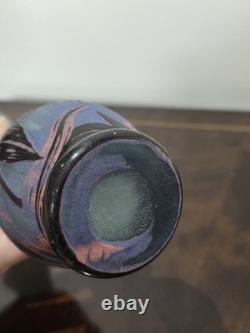
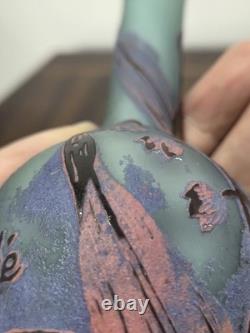
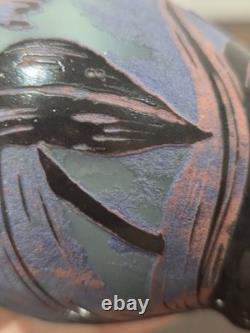
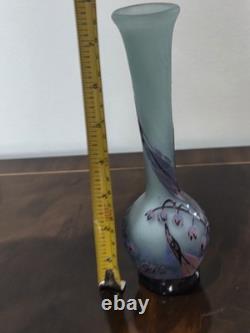
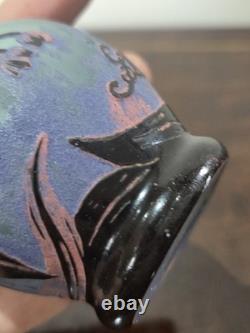
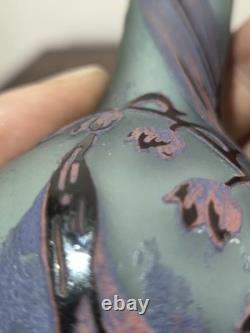
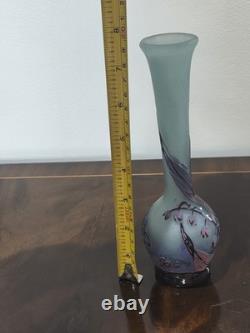
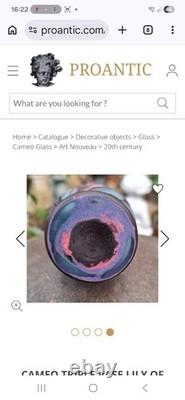
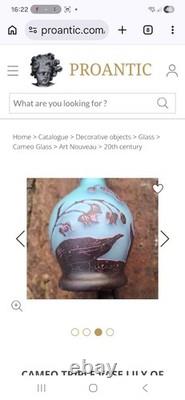
The Culloden Provenance: A 60-Year Timeline? This 7-inch "Lily of the Valley" (Muguet) vase is a rare survivor from the prestigious Culloden Hotel Collection, Northern Ireland. It was part of the original luxury curation by Rutledge White in the 1960s. This piece has been documented in an elite estate for over six decades, providing a rock-solid timeline that precedes the modern wave of "Galle Tip" reproductions by thirty years. Technical Analysis & Production Process? Macro photography provided in this listing reveals the "DNA" of early 20th-century Nancy School glassmaking:? Multi-Layered Casing: This is a complex triple-cased production.
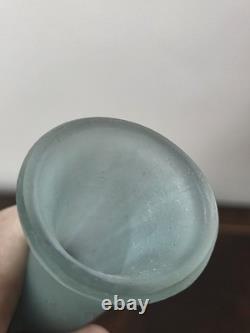
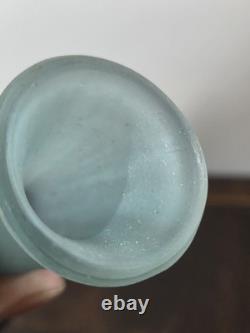
The deep, stepped relief of the botanical stems proves the multiple layers of glass that have been acid-etched away. This is sculptural, not just surface-level. Organic Color Transitions: Note the sophisticated internal color bleed where the deep purple/brown of the lilies transitions into the soft blue neck and rose-pink base. This atmospheric "fire" is the hallmark of the Gallé workshops. Surface Texture: The background features a "satin" frosted finish, consistent with the chemical acid-dipping techniques of the period, rather than modern sandblasting.
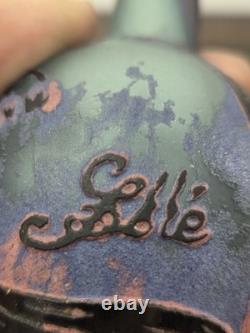
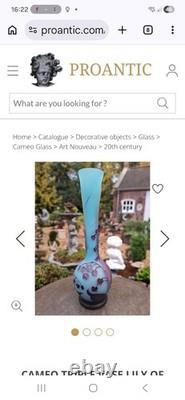
Authentication: Signature & Direct Comparison? The Signature: Bears the authentic'Gallé' signature in cameo relief. The mark is integral to the glass-making process-raised during the etching, not stamped or engraved afterward. This is a documented epsllion type signature variant. To assist the serious connoisseur, the final three photos in this gallery show a late 20th-century tribute by the German studio'La Luciole' for direct comparison.
La Luciole is a well-known crafter that successfully replicated the traditional acid-etching and casing processes. However, when viewed side-by-side with this original Gallé estate piece, the distinctions are clear:?
Depth of Etching: The Culloden vase features a more sculptural, multi-level relief compared to the shallower work of the tribute. Color Sophistication: The organic "bleed" between the blue and pink layers on this original is far more refined than the more uniform coloration of the 1980s German production.
The Signature: This vase bears the authentic'Gallé' signature integrated into the cameo relief, consistent with early 20th-century workshop standards. No chips, cracks, or restoration to the flared rim, body, or base. Provenance: Fresh-to-market from the historic Culloden Hotel dispersal.